

Staff Volunteers Partners Gallery Contact Us
Key Strategies for Sustainable Development Capacity Building Human Rights Development of Viable Civil Society

NEWS

2005 World Summit Outcome

The 2004 Volunteer of the Year award is given to BRD volunteer

Claire Suzanne Holland, of the United States, nominated by Bureau for Reconstruction and Development, based in Afghanistan


Download BRD's profile in .pdf format

BRD in Kabul, Afghanistan
 

Organizational Background

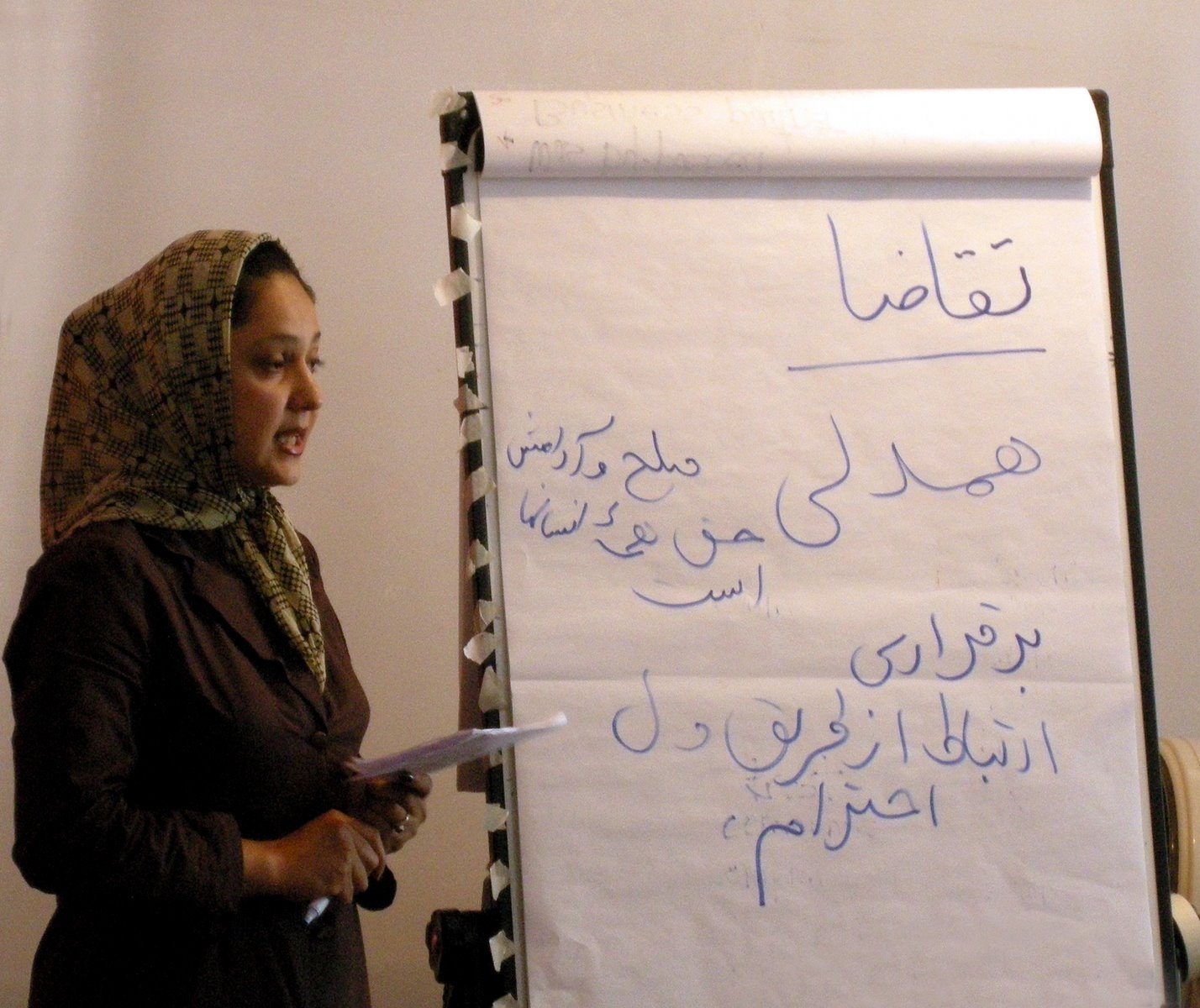
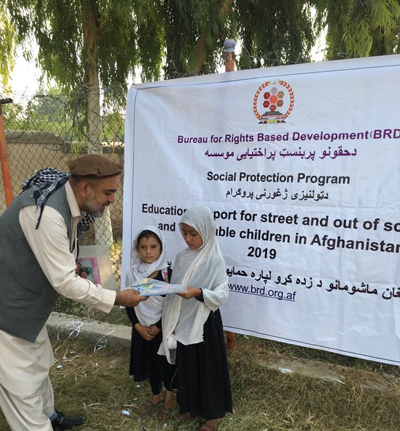
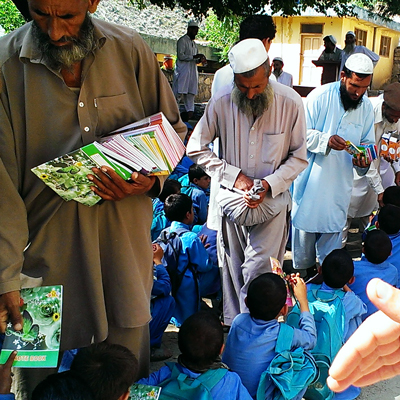
The Bureau for Reconstruction and Development (BRD) is a registered Afghan humanitarian, non-profit non-government agency which implements and co-ordinates development projects and supporting the process of development of a strong, viable and pluralistic civil society Civic Education, Civil Society Trainings, Human rights and Peace Education and supporting the process of capacity building of the government staff by provision of civil service trainings and Rule of law training in post-constitution Afghanistan.

BRD was established in 2003 by a group of expert Afghans in order to participate in the process of reconstruction and development of the country. By having a wide range of expertise in emergency, humanitarian and development assistance, BRD intends to expand and provide a quality service to communities in Afghanistan.

Mission

To create an environment in which men and women are able to improve their standards of living through equitable and sustainable use of resources.

To facilitate the process capacity development in Afghanistan through programmatic and institutional intervention.

To support the development of a strong, viable and pluralistic civil society in post-constitution Afghanistan.

Values

An essential part of its mandate, BRD core values are based on social justice, commitment, openness, accountability, transparency and respect to all segments of society without prejudice to gender, caste, religion, language and ethnic considerations.

International Assistance

Following international intervention and the subsequent change of government, Afghanistan appears to have entered into a new phase promising some opportunities for peace and stability. However, international policies and practices have direct impacts on national and local communities and this has occurred none more so than in Afghanistan. Some of these practices, alongside war, misrule and disease, combined with an absolute lack of material resources in some areas, have limited or undermined progress in the reconstruction of the country. Only those policies and actions, which positively impact on communities, can be considered as development. These must, therefore, aim at challenging and resolving the complex issues which prevail in Afghanistan.

Afghanistan in Context

Due to over twenty years of devastating conflict, Afghanistan has experienced severe economic, political, and social instability. The events of September 11 in 2001 once again returned Afghanistan to international attention and subsequent intervention, the consequences of which were the removal of the Taliban Government, the installation of a national interim government and the implementation of a post-conflict recovery plan by the international community. Although Afghanistan is now in its 3rd year of post-conflict recovery, and humanitarian assistance continues to play an integral part in the rehabilitation process, a vast number of Afghan citizens continue to live in extreme poverty and many more lack the health, education or opportunity to fulfill their potential. Afghanistan's economy is in a state of collapse and whereas once it was largely self-sufficient and an exporter of agricultural products, Afghanistan's productive capability has all but vanished. The continues drought resulting in widespread famine and the enormous need to import food has decreased the economic capacity of Afghan society. The deplorable state of the national economy and the near-complete destruction of basic infrastructure have left millions unemployed and destitute.

Furthermore, expectations are that large numbers of refugees and internally displaced people will return to their places of origin. This will place a huge burden on many high needs, low infrastructure areas. With most of the country's infrastructure destroyed, the people in Afghanistan need a structured and sustainable humanitarian relief and rehabilitation.

The lack of of capacity in the Afghan Government is on of the key constraint in the way of provision of improve service delivery to the population in post conflict situation in Afghanistan.

The Lack of knowledge, Skills and awareness of the population on Human Rights, Civil Society, democracy and the on the rule of law is the main constraint on the way of ongoing democracy process in the country which brought the urgent need for effective participation of all the citizens in the process for establishment of transparent, accountable and democratic government through an active civil society in the country.

 
back to top